Horror Combat Design & Player Psychology Prototype
FeaturedAn Unreal Engine 5 horror game prototype and data-driven research project evaluating how restricted vs. proactive combat mechanics dynamically manipulate player panic and perceived safety.
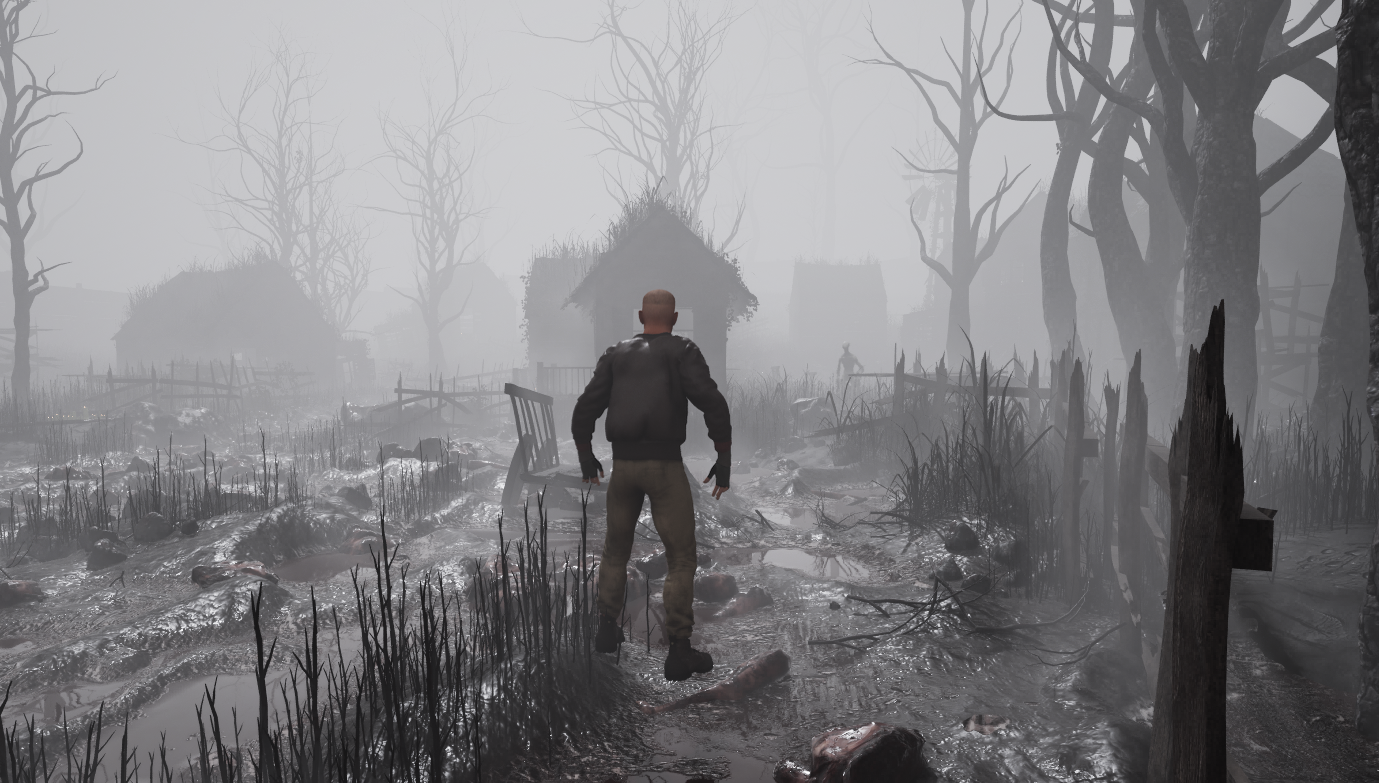
Can combat mechanics alter a player's emotional state even if the environment remains completely identical?
This project is a playable research prototype developed in Unreal Engine 5 to investigate how two contrasting combat interaction styles impact player engagement, tension, and perceived safety within a third-person horror environment.
By isolating the combat mechanics as the sole variable across identical level conditions, the project successfully mapped the relationship between mechanical player agency and psychological dread.
The Two Combat Systems Implemented
"Key Combat" (Reactive/Restricted Defence): Implemented a quick-time/prompt-based interaction system where players must utilize specific key combinations (
Eto punch,Fto push) under intense threat proximity. Designed to induce panic by restricting proactive agency."Weapon Combat" (Proactive/Direct Action): Implemented a standard third-person sword-based attack system using fluid animation montages and precise hit detection via collision line traces. Designed to give the player a strong sense of spatial control and offensive protection.
Key Features & Engineering Highlights
Dynamic Enemy AI: Scripted a custom tracking and sensing enemy behavior system utilizing Blueprint logic to detect, chase, and apply contextual damage variables to the player.
Automated Testing Pipeline: Engineered an automated level-flow system using timed delays to seamlessly switch player states and levels, ensuring a standardized, unbiased 2-minute testing window for user playtests.
Data-Driven UI Feedback: Implemented progressional HUD widgets, including a dynamically converting math-to-percentage player health bar to provide instant graphical damage feedback.
Research & Data Analytics Findings
Following internal testing, a qualitative and quantitative study was conducted with a pool of 10 external playtesters:
Vulnerability Mapping: 100% of participants reported feeling significantly more vulnerable during the restricted "Key Combat" phase.
The Safety Shift: 100% of participants reported that weapon-based mechanics directly increased their sense of confidence and spatial safety, even though the horror layout and audio cues remained unchanged.
The Designer's Conclusion: 70% of players concluded that a hybrid implementation of both mechanics yields the ultimate horror pacing—using restriction to build extreme tension, and weapon availability to provide structured relief.